Pain control is just one of those abilities that defines the quality of frontline care. When a patient is twisting on the floor of a manufacturing facility, or a kid is worried after a substance fracture at a weekend game, you don't have long to make sound choices. PUAEME008, Offer Discomfort Administration, orders what proficient -responders should do to assess pain, pick and supply secure analgesia, display results, and turn over treatment. It is more than a device of competency. It is a compact between a medical professional and an individual in distress.
I have actually provided and assessed this unit for blended teams, from remote mine paramedics to urbane event paramedics, and the same styles show up every training course: know your pharmacology and contraindications, respect approval and legislation, always remember non‑pharmacological care, and document as if somebody else will require to run with the baton ten mins later. This write-up unboxes PUAEME008 in functional terms and offers a working photo of what qualified performance looks like in real environments.
Where PUAEME008 Sits in Practice
PUAEME008 beings in the general public Safety And Security Training Bundle and is frequently packaged right into pain administration training courses run by registered training organisations for emergency situation -responders and allied health specialists operating in austere or prehospital contexts. Learners are usually currently trained in main study, air passage management, fundamental life assistance, and scene security. The provide pain monitoring training course builds on that foundation to deal with safe, effective analgesia throughout a spectrum of patients and environments.
Providers differ throughout Australia. Some deliver the system as a standalone discomfort monitoring certificate training course, others fold it right into wider programs like remote area very first responder training. For nurses and physiotherapists that operate in event medication, job-related wellness, or remote outreach, it can enhance professional registration by formalising prehospital analgesia abilities. It is not a replacement for a tertiary discomfort fellowship. Instead, it is a concentrated emergency pain administration module that asks a critical concern: can you alleviate discomfort quickly and securely while expecting deterioration?
The Proficiency at a Glance
PUAEME008 assessors search for clear, observable performance. The phrasing varies slightly across versions, yet the core needs stay stable:
- Recognise and evaluate acute pain using structured devices matched to the patient and situation. Select proper analgesic approaches, consisting of non‑pharmacological approaches, according to methods, scope of method, and offered resources. Administer analgesia securely utilizing authorized courses, dosages, and devices while keeping infection control. Monitor action, negative results, and vital indicators, then titrate or cease treatment accordingly. Communicate plainly, gain approval, document, and turn over to a greater level of care.
These aspects sound neat on paper. Actual scenes are not. You will certainly assess a pain management training for nurses patient with disruptive injuries and a wind blowing sand right into your eyes. You will certainly try to find a radial pulse while a group films on their phones. Competence receives just how you build a quick but trusted photo, keep the patient engaged and tranquility, and apply a protocol without passage vision.
Assessment and Triage: Reviewing Discomfort, Not Thinking It
Pain is subjective and greatly coloured by worry, society, and context. A jackaroo with a dislocated shoulder might rank his discomfort at 6 however look pale and clammy with a heart rate of 130. A youngster could refuse to talk but recoil with a light touch. PUAEME008 expects responders to utilize pain scales that fit the client. The numeric rating scale from 0 to 10 suits articulate adults. The Wong‑Baker deals with scale helps with communication with children or people who choose aesthetic signs. For non‑verbal clients, behavioural tools such as the FLACC scale assistance, though they call for technique to avoid overcalling distress as pain.
Acute pain evaluation in the field need to not wander right into a lengthy meeting. Slow within the key and additional surveys. Begin with life dangers, then a focused discomfort background: area, beginning, character, radiation, intensity, time course, aggravating or relieving variables, and previous anesthetics. Pulse oximetry, heart rate, respiratory system price, high blood pressure, and skin indications supply context. Note red flags that transform the plan: modified psychological state, presumed major hemorrhage, chest discomfort with hemodynamic instability, serious head injury, or indications of sepsis. PUAEME008 desires responders to identify when analgesia is essential and when assistance of respiratory tract, breathing, and flow needs to precede it by mins that feel much longer.
Anecdotally, one of the most typical assessment error from new learners is falling short to reassess. They catch a standard discomfort score, supply an opioid, after that proceed with other tasks. Ten minutes later on the discomfort has actually held one's ground, but since no organized reassessment occurred, the chance to titrate is shed. Good method is simple. Record a discomfort rating prior to treatment, then again every 5 to 10 mins or after each dosage. Match it with vitals and an observation of sedation degree, so you can discover breathing depression early.
Pharmacological Alternatives: What remains in the Kit and When to Utilize It
The give pain monitoring training course teaches pharmacological selections lined up to organisational protocols. Schedule varies. Remote facilities might stock methoxyflurane, intranasal fentanyl, paracetamol, and ibuprofen. Event paramedics could run under standing orders for dental analgesics just. Paramedic solutions add IV morphine, ketamine, and in some cases nitrous oxide.
Paracetamol remains the peaceful workhorse. At healing dosages it decreases discomfort in musculoskeletal injuries and soft tissue injury. It likewise sets well with NSAIDs for a collaborating result. Look for current intake to stay clear of collective toxicity, especially in smaller sized adults or those with liver illness. Ibuprofen and various other NSAIDs bring anti‑inflammatory advantages however bring bleeding and kidney risks. Post‑operative people, the senior with bad renal get, and individuals on anticoagulants may be much better served by alternate strategies.
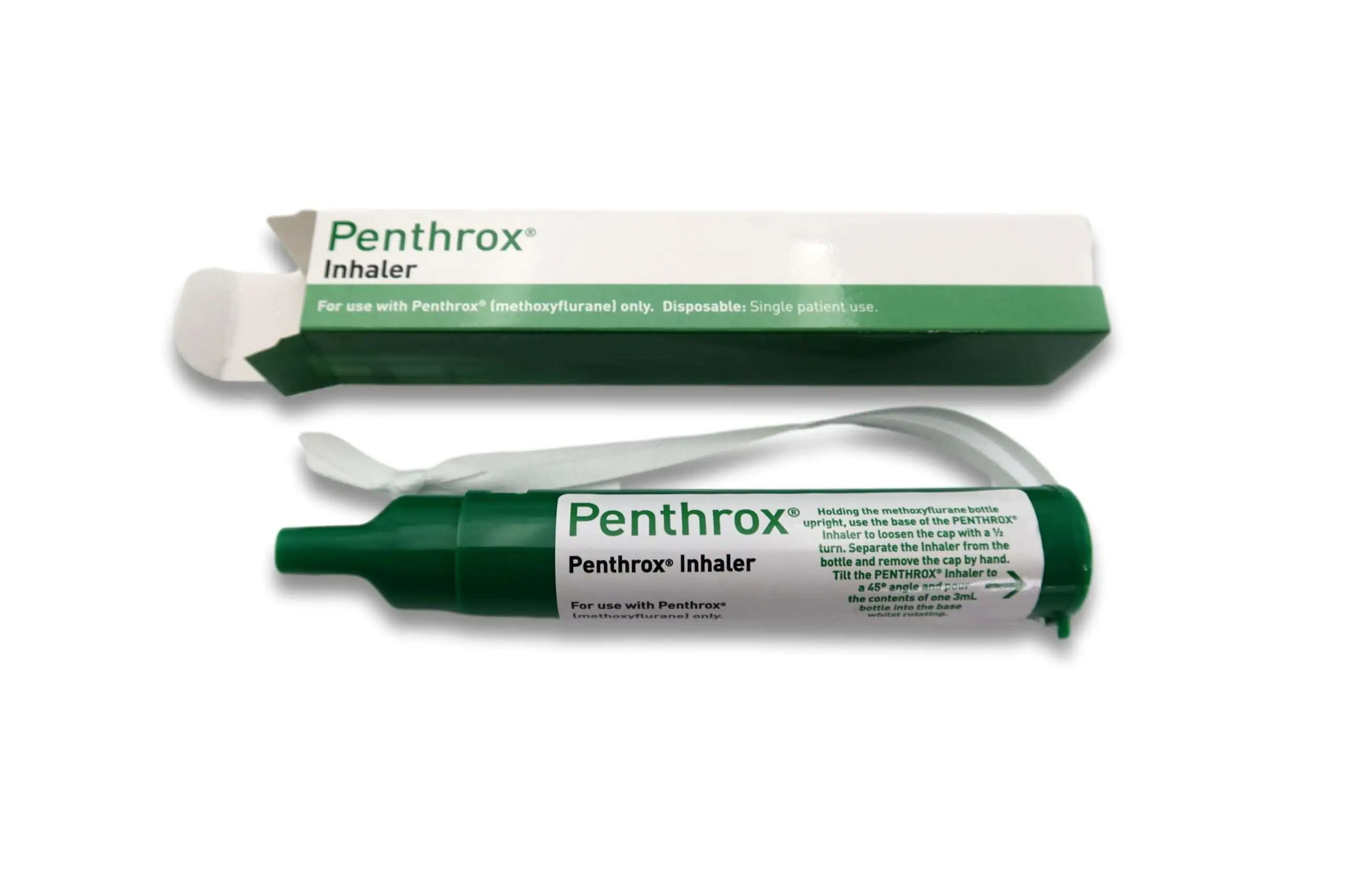
Methoxyflurane, delivered by means of a portable inhaler, has a loyal following in the field. Its fast start and patient‑controlled nature fit short, painful treatments like lowering a dislocated shoulder or splinting a fracture. Watch for sedation, hypotension, and the cumulative dosage limitation. Numerous procedures cover it at two 3 millilitre vials in 24 hours. I have had individuals that barely touched the inhaler after the first min since concentrated mentoring and splinting soothed. Others required the full allocation to promote extrication. It is appealing to advance with strategies while the individual is patient, yet if their vitals trend inadequately, quit and reassess before continuing.
Intranasal fentanyl bridges a crucial space when IV access is not possible. Proper application based on individual weight and delivery by means of a mucosal atomisation tool returns quickly analgesia. It is specifically valuable in paediatrics where cannulation hold-ups treatment. In spite of the comfort, treat it with the regard you would any opioid. Know your contraindications, display respiration, and have naloxone prepared, drawn up, and close at hand. 2 percent of pupils neglect to prime the atomiser during simulations, which minimizes efficiency. Build a practice of a quick devices checklist prior to administration.

IV opioids remain staples for numerous services. Titrated increments of morphine or fentanyl enable exact control. I prefer tiny boluses tied to repeated discomfort scores and sedation analyses instead of large front‑loaded dosages, particularly for older grownups. Ketamine offers a dissociative course for serious discomfort, particularly in trauma where hypotension looms. Low dosage ketamine for analgesia varies from induction doses made use of in procedural sedation. Nystagmus and dissociation can agitate the person and bystanders, so extensive pre‑briefing assists. I have actually discovered that tranquil narration during administration reduces the opportunity the patient will worry as the medicine takes effect.
Nitrous oxide still appears at some events. It is outstanding for short, sharp treatments, yet logistics and contraindications complicate its usage. Pregnant people, those with digestive tract blockage, pneumothorax, or caught gas issues must not get it. Cylinder management at a congested site comes to be an additional risk otherwise controlled.
Whichever agents you bring, PUAEME008 anchors practice in clear methods and range. Do not improvise beyond training and authorisation, puaeme008 and pain management techniques also when pressure installs. If your discomfort administration training program covered intranasal fentanyl and you work under an agreement that enables it, you get on solid ground. If ketamine is not in your practice design, the right selection is to intensify or seek extra assistance, not to push boundaries.
Non pharmacological Strategies: Often Faster, Always Cheaper
I have actually watched a distressed individual's discomfort decline from eight to 4 within 2 minutes with absolutely nothing greater than a great splint, a warm blanket, and controlled breathing. We discuss medicines because they feel like action, however foundational actions matter.
Immobilisation and splinting stay one of the most powerful non‑drug interventions for injury pain. Correctly padded, well located splints minimise activity and muscle convulsion. Mild grip in presumed lengthy bone cracks can eliminate the most awful of it even before definitive treatment. Cold treatment minimizes swelling and numbs surface tissues when used carefully. Warm can aid muscle mass spasm, however avoid it on fresh stressful injuries.
Positioning slides under the radar. An individual with kidney rock pain frequently locates alleviation crinkled on one side. Rib cracks really feel much better with the chest somewhat elevated and supported. Urge settings that reduce muscle pressure, offered spine injury is not thought. Simple breathing mentoring decreases considerate drive and increases tolerance. I utilize a three count in, six pass over rhythm to advertise parasympathetic tone, tuned to the person's comfort. Add distraction. Directed images seems soft until you see a youngster with a lower arm crack resolve sufficient for cannulation because you inquired about their pet dog and the next soccer match.
Non pharmacological care is where physio therapists and registered nurses bring substantial value. Discomfort monitoring courses for physio therapists usually stress activity strategies that lower discomfort without spiking anxiousness, and registered nurses bring an intuition for positioning and confidence that pays dividends. PUAEME008 expects -responders to demonstrate these measures alongside pharmacology, not as an alleviation prize when the medicine set is light.
Consent, Communication, and Cultural Safety
Consent can not be a rushed checkbox. Practically every field error I have evaluated after an unfavorable response entailed bad pre‑briefing. Before you supply any kind of analgesia, explain what you prepare to do, why, what the individual may really feel, and what adverse effects to expect, then ask for permission. Grownups with ability can refuse discomfort relief also if you believe it remains in their rate of interest. File the conversation.
Cultural safety issues. Stay clear of assumptions regarding discomfort expression. Some clients will certainly underreport discomfort to fulfill regarded expectations. Using neutral, open language aids. Instead of asking "Is it a 10 out of 10?", try "Can you reveal me on this range just how strong the pain feels today?" For First Nations clients, welcome an assistance person when feasible and bear in mind gendered treatment preferences in some areas. Time invested making trust is seldom thrown away and commonly reduces the overall time to reliable alleviation due to the fact that the individual engages with your plan.
Paediatrics and older grownups need special focus. With children, authorization involves parents or guardians, yet the kid is worthy of an age‑appropriate explanation and acceptance. Older grownups metabolise medications in different ways, and polypharmacy increases risk. Halve the first dosage, titrate slowly, and keep a hawk's eye on respiration. I have actually stood in lengthy transportation queues during heatwaves where a little second dose of an opioid tipped a sickly person from comfy to dangerously sluggish. Protocols typically permit half doses for older adults. Usage that flexibility.
Monitoring and Taking care of Negative Effects
Monitoring is the back of risk-free analgesia. Record standard vitals and repeat at intervals matched to the medicine's beginning and top. Opioids require respiration price and deepness checks, oxygen saturation fads, indicators of airway blockage, and sedation degree. Ketamine requires high blood pressure, heart rate, nystagmus monitoring, introduction responses, and nausea or vomiting. Methoxyflurane needs interest to level of consciousness and high blood pressure. Non‑opioid representatives are not freebies. NSAIDs bring GI bleeding and kidney stress and anxiety risk, though these arise over much longer horizons. Look for allergic reaction with any kind of agent.
Adverse results occur, despite having perfect strategy. The metric of skills is not preventing every event. It is acknowledgment and crucial management. If a patient comes to be excessively sedated after fentanyl, quit application, support the air passage, apply extra oxygen, and ready bag‑valve‑mask assistance. If ventilation is inadequate or oxygen saturation falls regardless of respiratory tract maneuvers, make use of naloxone pe